
Introduction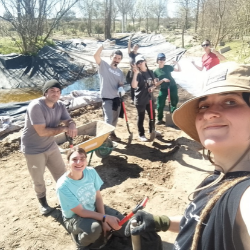
During my European Solidarity Corps (ESC) volunteering experience in Spain, I had the opportunity to spend several weeks at FIEB (Foundation for Research in Ethology and Biodiversity), where I participated in activities related to reforestation, habitat restoration and reptile care. The experience allowed me to gain practical knowledge in conservation work, work closely with other volunteers and staff, and experience living in a rural environment in Spain. My volunteering experience was not only about the practical activities I carried out at FIEB. Living in a small rural area, sharing my daily life with other ESC volunteers and communicating with people from different backgrounds also helped me develop personally, become more independent and improve my Spanish language skills.
Daily Work and Routine
My working days were from Tuesday to Friday, approximately 9:00 to 17:30, with a one-hour lunch break. Lunch was an important part of the daily routine because we usually ate together, which gave us the opportunity to relax after the morning activities, talk with the other volunteers and staff, and get to know each other better. The work was mainly practical and took place outdoors or in the facilities of FIEB, depending on the activity of the day. I enjoyed the fact that the work was active and hands-on rather than being limited to theoretical tasks. I had to work as part of a team, follow instructions carefully and adapt to different tasks and conditions. One of the most useful aspects of the experience was learning how conservation work is carried out on a practical level. Some activities required physical effort, patience and attention to detail, while others required careful handling of animals or working according to specific instructions. Reforestation and Habitat Restoration One of the main parts of my volunteering experience was reforestation and habitat restoration. The activities allowed me to understand better the practical work involved in restoring natural areas and improving habitats. Our work included activities such as preparing areas for planting, planting trees and other vegetation, maintaining previously restored areas and helping with the general management of the site. We also carried out work related to vegetation management and the improvement of the surrounding habitat. The reforestation activities were particularly interesting because they showed me that habitat restoration is not simply about planting trees. It also requires preparation of the area, regular maintenance and long-term care. Environmental restoration is a process that takes time, and the
work carried out at the beginning needs to be followed by continuous monitoring and maintenance. Working outdoors also allowed me to become familiar with the local landscape and vegetation and to understand some of the challenges involved in restoring habitats in a Mediterranean environment.
Reptile Care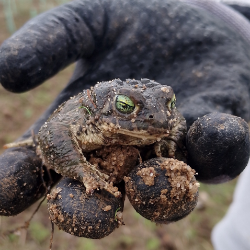
Another important part of my volunteering experience was working with reptiles at FIEB. I was involved in the care and maintenance of reptiles, which gave me practical experience with animals that I had not worked with extensively before. The activities included helping with the daily care of the animals, maintaining and cleaning their enclosures, checking their conditions and preparing or providing food according to the instructions of the staff. We also had to observe the animals and pay attention to their behaviour and general condition. Working with reptiles taught me the importance of being patient and careful when handling wildlife. Each species has different needs, and even routine tasks need to be carried out responsibly. I also learned more about the importance of appropriate enclosure conditions, hygiene, feeding and observation in captive wildlife care. This part of the experience was particularly valuable for me because it complemented my previous experience in wildlife conservation and rehabilitation and gave me the opportunity to work with a different group of animals.
Living in El Álamo
During my volunteering period, I lived in El Álamo, a small village in the Madrid region. My accommodation was located in a rural area, surrounded by fields and open spaces. Living there was quite different from living in a large city. There were not many things to do in the immediate area, especially during the evenings, and the village was relatively quiet. However, this also gave me the opportunity to spend more time in nature and experience a much slower and more rural way of life. I appreciated being surrounded by fields and open landscapes. Even though there were fewer entertainment options compared with a city, the rural environment allowed me to disconnect from a busy lifestyle and spend more time outdoors. FIEB also provided us with bicycles, which were very useful for getting around and exploring the surrounding area. During my free time, I often used the bicycle to explore nearby villages and the countryside. This gave me the opportunity to discover places that I probably would not have visited otherwise and made my experience feel more independent.
Travel and Exploring Spain and Portugal
Another advantage of the volunteering schedule was having three days free every week, from Saturday to Monday. This gave me the opportunity to travel and explore different places during my stay. I visited several cities and areas in Spain and also had the opportunity to travel to Portugal. Travelling during the volunteering period allowed me to experience different parts of the Iberian Peninsula, discover different cultures and meet new people. Having the possibility to combine volunteering with travelling was one of the things I appreciated most about the ESC experience. It allowed me not only to participate in the project but also to learn more about the country where I was living and the neighbouring countries.
Living with Other ESC Volunteers
I shared my accommodation with two other ESC volunteers, one Spanish volunteer and one Italian volunteer. Living together was an important part of the experience because we
came from different backgrounds and had different cultures and habits. Sharing everyday life with other volunteers helped me become more adaptable and open-minded. We had to organise our daily routines together, share responsibilities and respect each other's habits and personal space. At the same time, living with other volunteers created a
social environment outside of work. We could talk about our experiences, cook or spend time together and share our impressions of the project and our lives in Spain. Living with an Italian and a Spanish volunteer also gave me the opportunity to communicate with people from different cultural backgrounds and understand how similar and different our everyday lives can be.
Social Life and Community at FIEB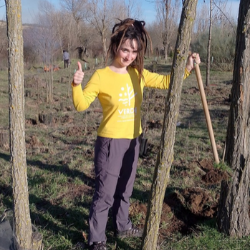
Another positive aspect of my experience at FIEB was the wider community of people who were involved in the organisation. Apart from the ESC volunteers, there were also other young people who were doing internships or volunteering independently from the ESC programme. They were staying in a small house close to our accommodation, so we had many opportunities to spend time together outside working hours. This created a very friendly and international environment. Even though we were involved in the organisation through different programmes and for different reasons, we quickly became a group and spent a lot of our free time together. We would sometimes go out for food, explore the area, play board games or other games, and simply spend time together after work. These informal moments were an important part of my experience because they allowed me to relax after the working day and get to know people outside of my immediate ESC group. It was also interesting to hear about the different reasons why people had come to FIEB, their studies, previous experiences and future plans. Being surrounded by people with different backgrounds and interests made the experience more diverse and gave me the opportunity to learn
from them as well. Having this community around us was especially helpful because we were living in a small rural village where there were not many activities or entertainment options. Instead of feeling isolated, we were able to create our own social environment and make the most of our time there. Overall, the combination of ESC volunteers, interns and other volunteers created a strong sense of community at FIEB. The friendships and everyday interactions were an important part of my experience and made my stay much more enjoyable and memorable.
Language and Communication
One of the challenges I faced during the volunteering experience was communication in Spanish. Although I already had some knowledge of Spanish, I realised that knowing the language in a real working environment was very different from studying it. Many of the people I worked with did not speak English, so I often had to use Spanish to understand instructions, ask questions and communicate during the activities. At first, this could be challenging, especially when discussing practical tasks or when people were speaking quickly. However, this situation became a very positive learning experience. I was forced to use Spanish every day rather than relying on English, and this helped me improve my vocabulary, listening skills and confidence. I became more comfortable speaking even when I was not completely sure that my Spanish was correct. This was probably one of the most important personal benefits of the project because I realised that the best way to learn a language is to actually use it in everyday situations.
Personal and Professional Development
Overall, my volunteering experience at FIEB helped me develop both professionally and personally. From a professional perspective, I gained more practical experience in habitat restoration, reforestation and reptile care. I became more familiar with the physical and practical aspects of conservation work and improved my ability to work as part of a team.
The experience also helped me become more adaptable. Conservation work does not always follow a fixed routine, and different activities require different approaches. I learned to listen carefully, ask when I was unsure about something and adapt to new tasks. On a personal level, living abroad and being responsible for my own daily life helped me become
more independent. Living in a rural area, working with people from different backgrounds and travelling independently all contributed to this. The experience also improved my communication skills and my confidence in unfamiliar situations. In particular, having to communicate in Spanish with people who did not speak English pushed me outside my comfort zone and helped me progress much more quickly than I would have through studying the language alone.
ESC Training Experience
An additional highlight of my volunteering experience was the ESC training organised during mystay in Spain. I had the opportunity to travel to another city for approximately one week and participate in a training together with other European Solidarity Corps volunteers from different parts of Spain and from different organisations. The whole experience was fully covered, including accommodation, food and the travel arrangements, which made it possible for us to focus completely on the training and on getting to know each other. It was a very different experience from my everyday life at FIEB because we were surrounded by many young people who were also participating in ESC projects in different parts of
the country. During the training, we took part in different activities, workshops and group exercises related to the ESC experience, intercultural communication, teamwork, personal development and living abroad. Some activities were more practical and interactive, while others gave us the opportunity to discuss our experiences, challenges and expectations as volunteers. What I enjoyed most was meeting volunteers who were working in completely different organisations and projects. Some were involved in environmental projects, while others were working with young people, communities, culture or social inclusion. This allowed me to learn about the variety of opportunities offered through the European Solidarity Corps and to hear about the experiences of people living and volunteering in different parts of Spain. The training also created a very friendly and international atmosphere. Since everyone was experiencing something similar by living abroad and working in a new environment, it was easy to connect with people and share experiences. We spent time together not only during the organised activities but also during our free time, which helped us build friendships and learn more about each other's countries and cultures. For me, this was one of the most memorable parts of the ESC experience because it made me feel that I was part of a much larger European volunteering community, rather than simply being a volunteer working in one organisation. It gave me the opportunity to meet people from different backgrounds, exchange ideas and realise how different ESC projects can be while still having the
same goal of bringing young people together through volunteering. The training also helped me become more confident when communicating with people I had never met before. Being in an international group where English was commonly used as a shared language, while also meeting people with different levels of English and different communication
styles, helped me become more comfortable adapting the way I communicated. Overall, the training was a very positive part of my volunteering experience. It combined learning,
cultural exchange, travelling and social interaction and gave me memories and connections that went beyond my daily work at FIEB.
Conclusion
My ESC volunteering experience at FIEB was a valuable combination of conservation work, cultural exchange, personal development and travelling. Through the reforestation and habitat restoration activities, I gained practical experience in environmental conservation, while the reptile care activities allowed me to develop my experience in wildlife care and handling. At the same time, living in El Álamo and sharing my accommodation with other ESC volunteers gave me the opportunity to experience everyday life in a different cultural and social environment. The rural setting encouraged me to spend more time in nature, while the bicycle provided by the organisation allowed me to explore the surrounding villages.
The three free days each week also gave me the freedom to travel around Spain and Portugal and discover new places. Most importantly, the experience taught me how to adapt to a new environment, work with people from different backgrounds, communicate in a different language and become more independent. I believe that the combination of practical conservation experience and personal development made my time at FIEB a very meaningful part of my professional and personal journey.