
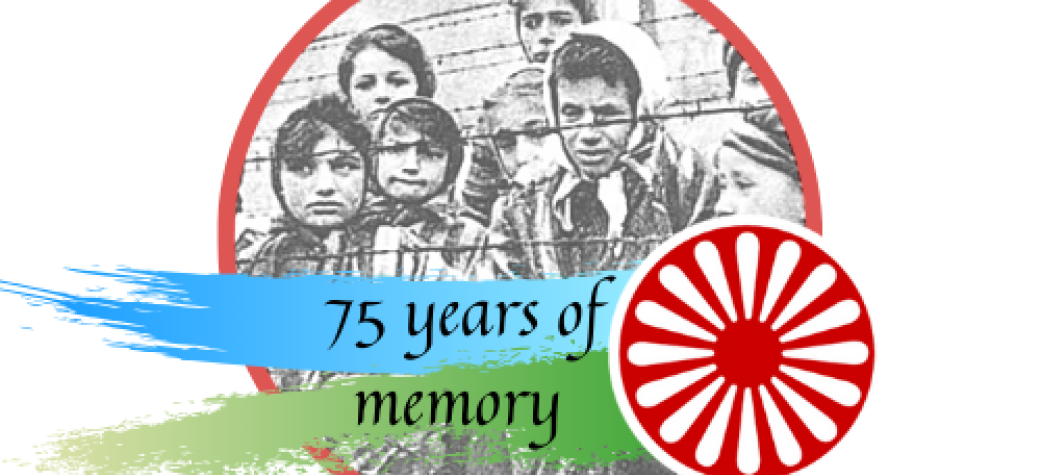
The project focused on raising awareness among the general public about the historical events that took place in the Balkans, Hungary, and Transnistria before, during, and after World War II, with particular emphasis on preserving the memory of the victims of Nazism, especially Roma and Sinti communities. Its main aim was to shed light on the often overlooked Roma genocide, which claimed more than 500,000 lives, and to address ongoing issues such as antigypsyism, social exclusion, and hate speech resulting from the lack of recognition and awareness of this historical tragedy.
The project strengthened the capacity of educators, citizens, and civil society organizations to implement educational and remembrance initiatives at local, national, and European levels. Through its activities, it highlighted underrepresented aspects of the Roma Holocaust and stimulated dialogue on collective memory, emphasizing the role of young people in preserving European historical awareness. Special attention was given to the active involvement of Roma communities, ensuring their perspectives were included in discussions and initiatives related to memory and recognition.
The project engaged Roma and non-Roma citizens, minority groups, and youth organizations in an awareness-raising and educational campaign, advocating for the recognition of August 2nd as the official European Roma Holocaust Memorial Day. It also supported the involvement of citizens and NGOs in policy-making processes at both national and European levels. Overall, the project directly reached more than 3,400 participants—including survivors, witnesses, experts, and representatives of different generations—while its outreach extended to over 100,000 people through local activities and online campaigns.
As a key outcome, the project developed a workshop manual on the Roma genocide within a political and educational framework, including advocacy guidelines, key historical insights, and tools for using social media to document and disseminate actions. In addition, international meetings and collaborations between experts and stakeholders were organized across different countries, alongside local activities in institutions and communities. The first activity of the project was implemented as an online seminar, bringing together networks and stakeholders to discuss Roma genocide remembrance.